After pioneering high-level DIT training in Spain, we’ve improved our course by adapting it to the new equipment, processes, and workflows used by Netflix, HBO, Movistar, etc. A course that has trained some of the current Spanish DITs who work internationally.
The role of the DIT has progressively evolved from someone who downloads camera cards to becoming one of the pillars on set for any audiovisual production. In this course, students will learn the tasks a DIT must perform according to the type of production and how to carry them out. This ranges from verifying camera files and backups to assisting the cinematographer with exposure and on-set color correction.
INTENSIVE WEEKEND ON-SITE COURSE.
16 HOURS – MADRID
Introduction
The roles of the DIT (Digital Imaging Technician) and Data Wrangler in today’s audiovisual industry have evolved and become increasingly complex.
Originally limited to offloading camera cards (digital loader work), a high-level DIT is now expected to perform real-time color grading (live grading), advise the director of photography on exposure and camera settings, assist in designing the post-production workflow, and communicate effectively with the VFX and editing departments, among many other responsibilities.
In this course, we will explain all these processes, providing an overview of the current role of the DIT. We will have a high-level DIT and cinematographer, Rafa Roche AEC. Thanks to him, we will have the perspective of a DIT who works on top-level international film productions and a cinematographer who considers the DIT an essential figure within their team.
Program
- Review of fundamental concepts in digital cinematography:
- Description of the current technological moment in Spain. The shift to larger sensors. New Super35, Full Frame, Vista Vision, Arri LF sensors, how do they affect our images?
- Current high-end camera models. Characteristics, strengths, and weaknesses:
- Arri Alexa LF
- Arri Alexa LF Mini
- Red Helium
- Red Monstro
- Canon 700
- Sony Venice
- New cameras, new mounts? Currently existing lens mounts.
- Lens compatibility with new sensors, vignetting, and cropping.
- Formats and aspect ratios of anamorphic lenses and new sensors.
- Current resolutions, advantages, and disadvantages.
- Color depth. From 10 to 16 bits
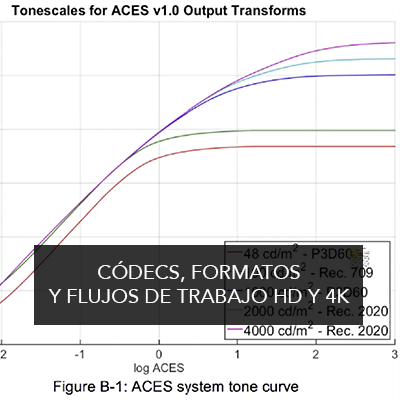
- Standards: DCI-P3, ITU BT-REC709, ITU BT-REC2020, ITU BT-REC2020, ACES.
- Color space comparison. The new ACES system.
- RAW vs Digital Signal Process (DSP).
- Dynamic range, how sensitivity changes affect latitude distribution.
- Dual ISO.
- Currently available Raw and DSP codecs.
- Logarithmic, video, LUTs, and Looks
- In-camera dailies generation.
- New Technical Standards: Netflix, HBO, and Movistar requirements.
- New HDR systems. Recording and distribution. What to consider.
- Manufacturer software: Red Cine X, Raw Viewer, LUT Generator, etc.
- Sony Venice or similar digital cinematography camera: characteristics and menus.
- Shooting practices
- Saturday material transfer and timeline preparation in DIT STATION
- Generating verified copies with SILVERSTACK
- Generating transfer reports
- Generating dailies, editorials, and H.264:
- In-camera
- In DaVinci
- Capturing stills in log and LUT
- Live color correction: Live Grade
For any further information please contact us at info@709mediaroom.com.
Aimed at
Cinematographers, camera operators, data managers, editors, post-producers, colorists, CCUs, digital image technicians, etc.
+ Info
EQUIPMENT USED: Complete real DIT station with calibrated monitor, RAID storage, DaVinci Resolve, Assimilate Scratch, etc…
Sony Venice camera or similar for exposure tests and direct Live-grade color grading
PREREQUISITES: Basic cinematographic knowledge.
For more information, contact us.

 Online course Film Workflow and Platforms 🇪🇸🇬🇧
1 × 42,35€
Online course Film Workflow and Platforms 🇪🇸🇬🇧
1 × 42,35€